Two months into grief counseling, I’ve been thinking about certain deterrents, specifically those that rob our security in Christ.
Why is it so many take momentary solace in the Lord, yet overall, feel less assured within His sovereignty? Why are some content in their acceptance of Jesus, but not in their walk with Him?
Looking in the mirror, I’ve been compelled to take inventory, in part, to assist the new support I have on the ground. The fact I’m even in this position is a huge answer to prayer.
Still, the reality and discovery alike are uncomfortable; hence, why I’m on the hunt for words, wisdom, and answers. What makes one want the safety of God’s protection without the anchoring? What keeps a man sealed but at times, unhinged? How is it one can mentally grasp his identity in Christ but not rest in his position in Christ?
These inquiries are but a few I hope to address in this new ‘Project Management’ series.
Before we continue, let me define “project management” in this context. Because I can tell you straight up: I’m not talking about an application of knowledge and tools to project activities. Rather, I’m highlighting the human condition to project our insecurities when we’re dislodged from the truth, when we’re overwhelmed to the point what we’re doing to others is reciprocally perceived.
Sometimes, we project insecurity out of feeling misjudged and misunderstood. Other times, we project insecurity to obtain a false sense of disconnection. Ever wonder why we play the victim card when we’re hurt and offended? Usually, the reason involves a desire to cast off our pain to fight or flight from it. The problem when we project insecurity, be it a suspicion, self-doubt, a reassurance craving, or unbridled fear, is we misappropriate humility and, in turn, miss opportunities to deal with offenses at their root level. Understandably, an insecure mindset can be taxed when confronting pride on top of everything else; however, we must realize if our belief in the reality of Christ is chained to seeing Him consistently reflected in the places He’s called us to, we can’t say we’re fully relying on Him. It’s one thing to be desperate for Christ to be known; it’s another to want His nature extended for our benefit.
Thankfully, by God’s grace, we have His Spirit to draw us to misaligned places needing correction (2 Timothy 3:16-17; Hebrews 12:11). In many situations, this is enough to mitigate an insecurity before it matures into a weapon. Yet, for those who are suffering at a high level, wrestling with grief, perhaps not as aware due to a medical condition and/or neurodivergence, certain behaviors and thought patterns may be more suppressed. What about these cases?
My theory is simple, though with application complexity under the surface:
Insecurity is a divergent manifestation of underlying thoughts straying from any root where freedom can be found.
In essence, it is a projection away from our original design by way of comparison, manufactured deficit filling, really any vehicle driving us away from surrender and reliance. Often, we project out, not up, when we’re shelled by concerns and anxieties outside our control or initiation. The question is: How do we project our way to Jesus, when the streams we’re in take us another way? For those in healthy places, how do we nurture cultures where God’s heart is evident, His power prevalent?
If I’m truly following Jesus for the sake of emulating Him, I’m not only putting myself in position to abide in my security in Christ, but also giving those around me a steppingstone foundation to orient accordingly. Put another way, our security in Christ doesn’t stop at the assurance of salvation but strengthens as we freely abide from the burden of condemnation, accept the credit of Christ’s righteousness (Romans 4:24), and replace unholy beliefs with radical, transformative truths. Adhering to this pathway, we can discover a new confidence amidst the freedom that purifies the way we love and partner with people.
So, may it be with this series – that those in need of purified projection find traction and momentum, where they can live secured in their walk with Christ. Buckle up, my friends. It’s going to be a fun, albeit bumpy ride as we journey closer to the Son.
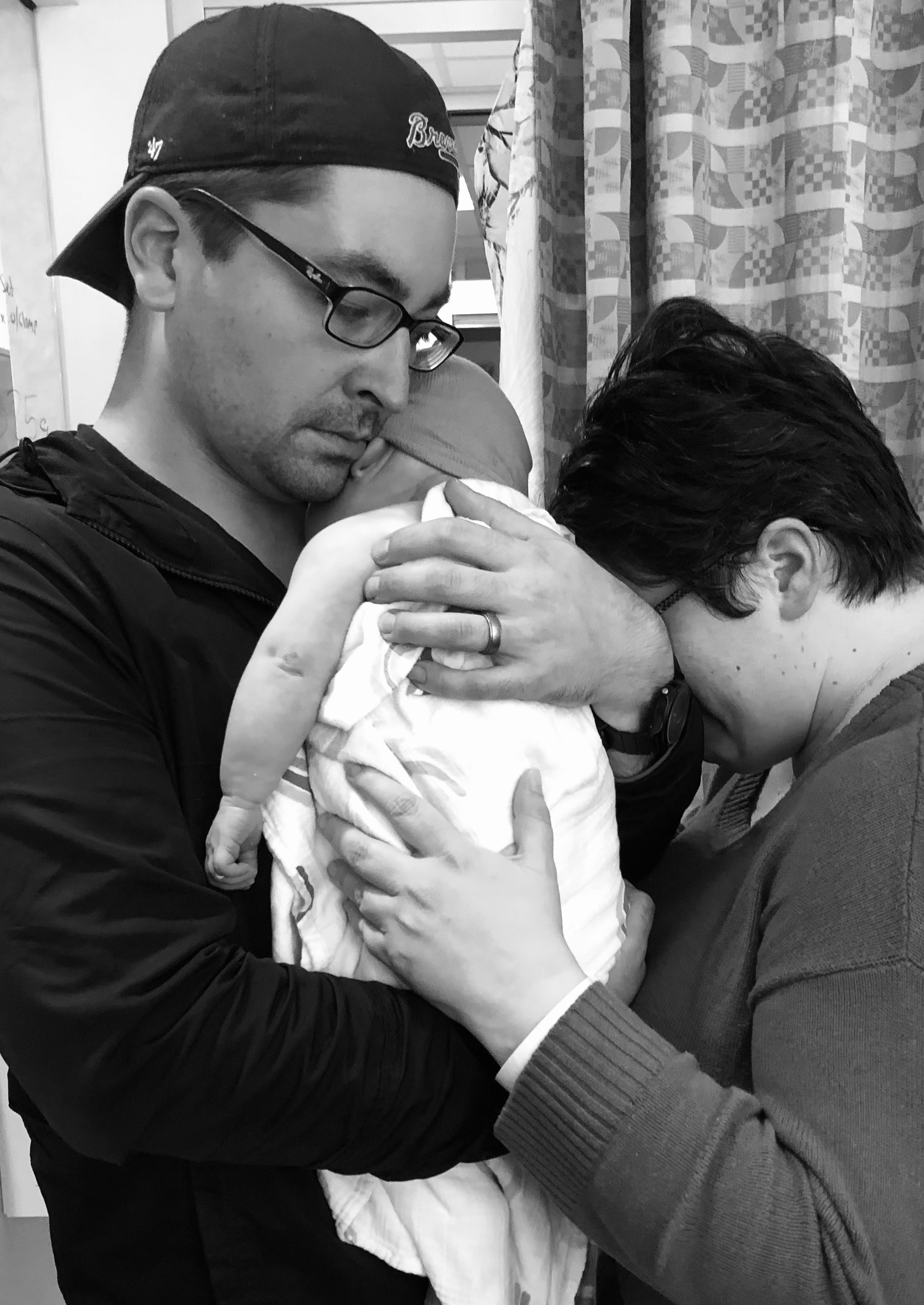
It’s been three years to the day since Juju’s death.
For better and worse, Lys and I haven’t been the same since that fateful day. While grief intensity has lessened, life still feels like a tightrope. One false step and we’re praying for a safety net, just trying to survive – like when Juju was alive only without the hope of tomorrow. If only I were better at patience, maybe this whole waiting thing would be easier.
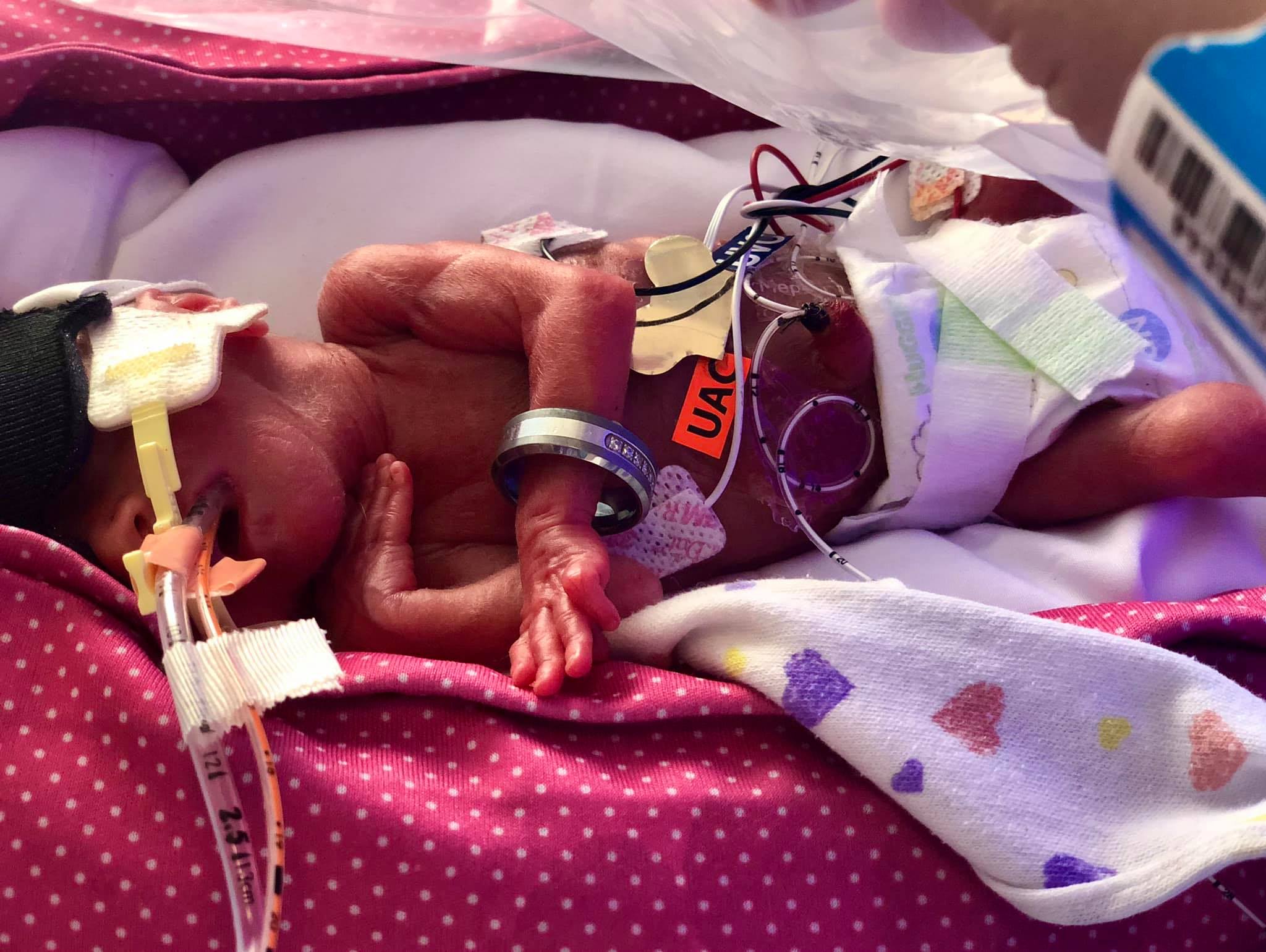
As Juju proved during her NICU tenure, progression and regression aren’t always mutually exclusive. At times within her fragile body, one element was improving while another was degrading. Her recovery and, at times, lack thereof, was anything but a linear wave. Like life itself, her journey was a winding roller coaster with unexpected turns and unprecedented breakthroughs. Her butterfly tattoo on my heart, not a day goes by that I don’t think of her and consider the glory of what she constantly experiences.
Yet, though the tears have remained mostly at bay the past year, there’s still a temptation to anger. God, why didn’t you somehow, someway cap her suffering? If you knew she was going to barely make it past a year, why defer the inevitable?
In most cases, I can convert those ‘whys’ into ‘look what God did’ and carry on. Where I stumble is the next level down: God, why aren’t people more naturally geared towards the broken-hearted? Why does the silence sometimes increase when it needs to decrease? In the shadows, you were there after Juju’s death. What about those who may not even be able to find you at all? What about them?
These questions have been raised before, and they’ll be raised again. Until the answers come, I, along with the rest of us, must settle in Christ (1 Peter 5:10; Colossians 2:6-7). For those who have lost a child, we don’t have any other option. At day’s end, everyone has a call to embrace their suffering and ditch their baggage. No exceptions. I know for me, sometimes I get into trouble tolerating the baggage while trying to ditch the suffering in a quest to find meaning in pain; however, in times of reset, I catch myself in the striving and commit my ways to God whether I feel like it. It’s hard as heck, don’t get me wrong. I just know as low as I feel sometimes, I’m only hindering my perspective when I punt prayer and vertical reliance.
I love how Paul opens Colossians 3:1: “Therefore if you have been raised with Christ, keep seeking the things that are above, where Christ is, seated at the right hand of God.”
For starters, the chapter unpacks our ‘new self’ identity as a garment we can wear regardless of the day. But even more promising, we’re reminded in the intro how we’ve been raised with Christ to a new life, sharing in His resurrection from the dead. In a weird way, this hits home even more so these days. Even when I feel dead on the inside, somehow, I know I’m that much closer to the type of life I crave. Among all the things that are above, where Christ is, seated at the right hand of God is also my daughter. Your son. His grandson. Her granddaughter. Their mother, their father, our friend, etc.
The way God’s lap is designed, there is always a comfort and rest to draw from, even if it’s simply His presence and nothing more.
The problem is we’re not often content with the safety of God’s nearness because we’re dissatisfied with the security of it. Our kid passed away, so we doubt if God is who says He is. If God is a God of love, then why didn’t His sovereignty meet my faith in the middle? If God has the capability, why didn’t His power take pity on a soul that could have done wonders for Him if given the opportunity?
While I’m not condoning this as the correct posture to take, admittingly, this is a popular contention bereaved parents wrestle through. We desire the improbable; we believe in the impossible. We just wish it could have looked a certain way. And that’s okay…assuming we regularly surrender our grief, anxiety, fear, and anger. As Juju reminds us, there’s beauty to be found in the ashes of our sorrow, especially when we reframe our perspective to see a life well fought as an altar pointing people to Jesus. Our lives may always sound like a sad song, but that doesn’t mean what other people hear is the same tenor.
Trust me, life has been brutal, dare I say, savage, this decade. Despite the positive turn in recent years, my debates with God are still on the regular.
Dear Lord, thank you for what you did during Juju’s life and gifting my family with this incredible light, this testimony unfolding, but surely you know what it’s like to grieve. You know what it’s like to be separated from your only begotten Son. If you’re stripping me of anything my life could cling to other than you, so be it. I don’t have to know how you’re exalted in those moments as long you’re exalted at all. And with a daughter dancing in your courts, I dare not lose sight of the new life I have in Christ, knowing that’s exactly what she has.
For all you readers and co-sufferers out there, ask yourself: Will I be too stubborn in my grief to don new garments of praise? To serve and think within new wineskins? Or am I too scared to endure because I don’t want God to let me down again? I know for me, I don’t have the margin, nor do I want to give that question room to manifest. Thus, I will keep looking up and pressing on one step at a time, with Juju’s rays forever on the horizon. The victory’s been won. Let’s choose to walk it in. God, show us the way…
In Luke 13:10-17, Jesus is teaching in the synagogue on the Sabbath when he notices a woman with a disabling spirit. As she totters through the temple gates, Jesus calls the woman over, confirms her restoration, and heals her condition. No longer crooked, she glorifies God and prompts Jesus to criticize the religious leaders for their lack of compassion.
Digging into this summary, we find meaningful implications, especially where sickness and infirmity dwell. For starters, we must not deny those around us who are poor in spirit and health, desperate for Jesus in a way that extends past their margins.
As a NICU alum, I can boldly testify to this. Every day during Juju’s life, Lys and I entered a larger-than-life mystery box, a stream of unknowns where anything could happen. From what we experienced, the emotional highways were unending from dead-end hopelessness to confounding crossroads. In each situation, parents, like the crooked woman, were searching for anything their hope could cling to – comfort, healing, answers, you name it!
Yet, as challenging as that season was, the contrast in processing helped us understand the power within the presence of God. While there were moments when we sought the Lord because there was no other way, there were other times we sensed his call and responded accordingly. So, it was with our protagonist in Luke 13, who not only personified what it meant to be in the right place at the right time but saw her affliction as a catalyst for intervention.
Examining the woman’s transformation, we find some notable takeaways, particularly in v. 10-13, during which Jesus orchestrates his miracle:
1. In v. 10, Jesus sees the woman even though he was already teaching in the synagogue. 2. At the start of v. 12, he calls her over instead of continuing with his message. 3. By the end of v. 12, he declares her freedom before healing her disability.
While circumstantial at the surface, we can behold the intentionality within this order when we assess similar healings in the Gospels. Like the bent woman, Jesus repeatedly modeled his heart alongside his power, relating to the context of suffering even before his presence was recognized. This poses a powerful thought:
To the extent our faith activates when we sense God’s presence, it also stirs when we hear His voice. Like gravity, His Word summons the innermost part of our being in a way that compels us to move in his direction.
No wonder the woman had no issue journeying to Jesus. the joy set before her resonating with the joy set before him.
Upon her arrival, note how Jesus reacts: He doesn’t immediately remove the woman’s iniquity but proclaims her victory! Again, this subtle progression is profound. Though some might question why Jesus would call his shot, the purpose behind his declaration wasn’t to simply highlight his divinity but to deliver salvation while proving his love. Had the purity behind the action lacked, the woman’s response may have reflected differently. But like many before her who battled long-lasting crippling ailments, the outflow of praise rode on the heels of the expectancy. In the end, it was all about Jesus, religious and wishful sentiments be da*rned.
For the griever and/or loved one stuck in the hospital, while our prayers have power and purpose, what we voice as expressions of hope yields the truth of who God is and what he wills from his nature. Ultimately, God is going to finish the good work he started in you (Philippians 1:6) as heaven meets earth in wonder-working fashion (Matthew 6:10). True, we will never have all the answers as to why we must endure in specific ways; however, when we remember how Jesus made space to heal a woman in the middle of a sermon on a day His Father set apart for rest, we can draw encouragement knowing God is always for us, even during the darkest and craziest of days.
Prayer: “Jesus, you told your followers, ‘Do not let your hearts be troubled. You believe in God, so believe in Me as well. Peace, I leave with you; my peace I give you. I do not give to you as the world gives,’ (John 14:1, 27). We confess we need your peace, the peace of God, which transcends all understanding’ (Philippians 4:7) to guard our hearts and minds. We humbly come before you with our weary hearts and pray that you continue to show us fresh levels of love and grace as we go through this season of sorrow and transition. Help us to find peace in your presence. Wipe our tears, Lord, and carry us through this season of mourning and deep sadness. Help us to trust in your unfailing love and to fix our eyes on you, Jesus. As we lift our worries to you, we humbly ask that you lift up our hearts from what may overwhelm us. May your presence bring us joy and comfort as we embark on this journey of healing with you. In your most holy name, we pray. Amen.”
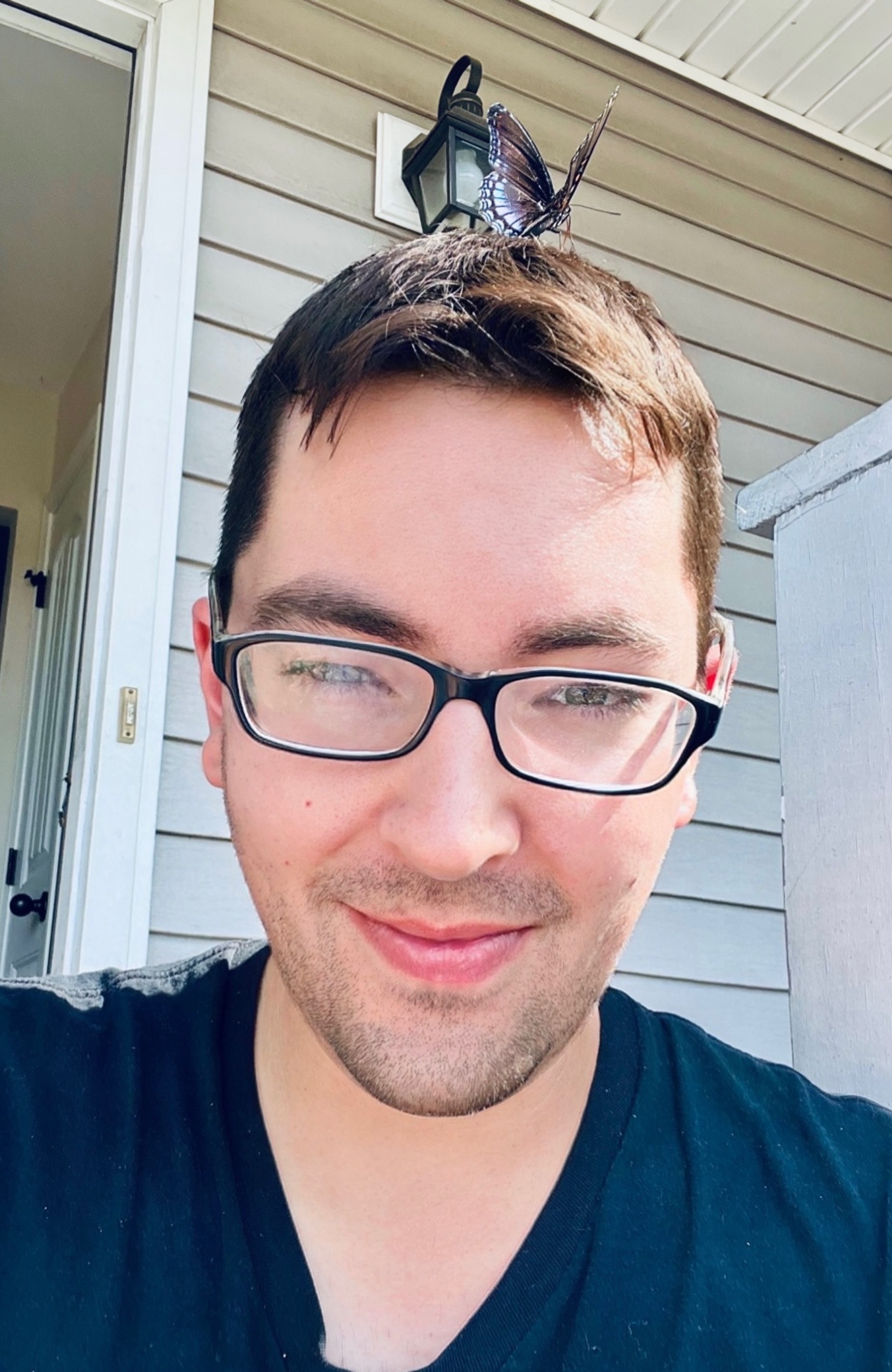
On Monday, I had the privilege of leading devos at Mercy Multiplied’s weekly meeting. Here’s a cut from my share which includes a slice of recent testimony… #lordhavemercy 🦋
…Still, I wonder about those among us, even under our care who are suffering, in full on survival mode. How do we cope as we hope? How do we trust when internally we’re about to bust? How do we endure and suffer the way God intended?
Whatever the answers are, both at the 20,000-foot level and at the surface, the truth is: Suffering is part of our divine call, not just individually but corporately. Often, we take a head-down approach to perseverance. We sense a challenging situation and tackle it through our ‘more than conqueror’ identity. Granted, there is nothing wrong with that in a vacuum; however, the potential problems I see are at least two-fold:
1) In the day-to-day grind, we individualize and compartmentalize our endurance. 2) In the day-to-day chaos, we fail to consider the beauty in our suffering.
The premise of this devo is a charge for us to view perseverance as more than enduring with character but also embracing the beauty in suffering. Are we pausing each day to be still with God, to receive His grace and smiles in the personal and corporate challenges we’re walking in?
I’m reminded of a Point of Grace song from their All the World album. Does anyone remember ‘Heal the Wound’ co-written by Nicole Nordeman? Here is an excerpt from the song:
I have not lived a life that boasts of anything I don’t take pride in what I bring But I’ll build an altar with the rubble that You’ve found me in And every stone will sing of what You can redeem.
Heal the wound but leave the scar A reminder of how merciful You are I am broken, torn apart, take the pieces of this heart And heal the wound but leave the scar.
Don’t let me forget Everything You’ve done for me Don’t let me forget The beauty in the suffering!
This song is music to the ears, inspiration to the heart, and emphasizes certain realities of Scripture.
Jesus, the one we can boast in, has carried our greatest burden (Isaiah 53:3-5) and out of that, still helps us with our sorrows and burdens to this day. Accordingly, we don’t have to strive to ‘make it through’ or ‘get to the other side/the finish line’. We don’t have to carry the burden of making sense of our struggles (as I like to call them – “victories in progress”). Rather, we can lean on Jesus who felt the demands of ministry, who knows what it’s like to feel drained, yet with the joy set before Him, referenced the Father, the ultimate source of His power. Like Him, we’ve been given what we need for goodness and godliness but can still ask for wisdom, help, strength, grace, etc. as paupers in Spirit (Oswald Chambers).
As co-sufferers in Christ (Romans 8:17), we can help others endure through suffering and share with them the comfort we’ve received from God (2 Corinthians 1:3-6) as we bear our own crosses (Matthew 16:24, 1 Peter 2:19-21, Romans 8:16-18). We may feel compromised on account of our weakness, but this can allow the Father’s heart to resonate in realness with people assuming our abiding in Christ is in rhythm.
Difficult circumstances outside of our control can be prompts to remain vertically reliant, to seek first God and His Kingdom. Without adversity, we cannot live as tested, faithful, and dependent vessels. The beauty of suffering is that it gives us the opportunity to become like Jesus, to see our redemption as secure, and our victory as imminent even if the pathway doesn’t make sense, even if the breakthrough and miracles we crave don’t happen the way we anticipated.
Why are these points important? Because they confirm how God works! Specifically, the breakthrough we need, the challenges we endure in Jesus’ name, and the miracles we’re contending for aren’t limited to timely answered prayers (or even answered prayers at all). As Paul writes in his letters, finding freedom isn’t confined to what we get over but what we get through. Put another way, God doesn’t promise us we’ll get over everything, but He does promise we’ll get through anything.
For my wife, Lys, and I, we’ve learned and re-learned this truth many times during our 11-year marriage. Yet, by far, the greatest challenge for us came in August 2021 when our daughter, Jubilee, was diagnosed with intrauterine growth restriction four months ahead of her due date. While Lys and I did everything we could to stay healthy, the combination of Juju’s growth environment and Lys’ preeclampsia proved too much. Only 18 days post-diagnosis, our small Fry would make her worldly debut as a micro preemie coming in at 25 weeks, 10 inches, 1.2 pounds, chronic-lung disease, pulmonary hypertension, less than a <10% of living past day 1, and less than 5% of making it past the first week.
Thankfully, God had other plans and proved Himself mighty as we clung to hope at the end of our rope. While our prayers for Juju to survive the NICU and make it home did not materialize, as our hearts healed, we learned to see her miracle as the impact she made on the thousands of lives, including us, shattering medical expectations and probabilities along the way.
In hindsight, Lys and I know the miracle of Juju’s life would have still been clinched even if she hadn’t lived past the first day. For even as we contended with God in our pain and despair, He was faithful to enlarge our capacity to sense His sovereignty and the sweetness of His nearness, His tender hand holding ours.
Now, were we beyond angry and tempted to fold on certain days? Absolutely! I remember in the weeks following Juju’s death, wrestling intensely with God, asking Him why He would let her overcome her greatest afflictions only to succumb to a freak bout of sepsis. God, why wouldn’t you keep the miracle going having sustained it this long?
Having successfully stiff-armed the why’s (I.e. those subtle entitlements that tempt you to think you must have it all together or understand why you’re going through what you’re going through), throughout Juju’s life, I couldn’t help but be overwhelmed by them in the aftermath. The mental torment was off the charts and on the precipice of depression, I was in desperate need of a spark heading into the last quarter of 2022.
That spark would manifest as a dream right before Juju’s Celebration of Life. In the dream, I’m thrust back in time storybook style. A dusty road, a mass of people, and one Jesus walking in front of me. In a unique role reversal, I’m the woman with the bleeding problem trying to keep pace with Jesus yet unable to do so. Desperate to touch Jesus’ robe, I cry out: ‘Jesus, can you please slow down? I’m trying to get to you. If I can just touch a piece of your robe, I know you can heal Juju!’
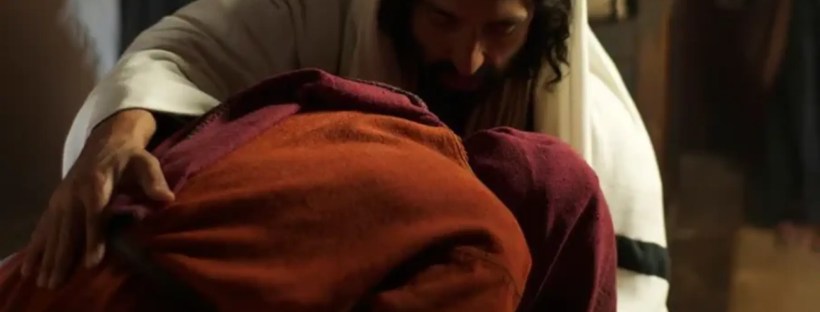
Suddenly, I’m on my knees with a warm hand on my shoulder. I can’t make out the face in front of me, but I know such a presence could only be Jesus. As I ponder how He jettisoned a football field in a millisecond, I hear Him speak to me: “You were never meant to touch my robe. You were meant to believe in and follow me. Now, look behind you and see how many are following me because you kept going.”
I look back and see a new body of people who weren’t there before. Picking up steam, I turn my head back to where the voice came from only to wake up…with a fresh understanding of the miracle Jesus accomplished during Juju’s life and how it would continue.
As for us in this room, I share this testimony to remind us how God is faithful to give purpose to suffering and anoint our steps as we walk through adversity…with Him. Sometimes, it takes seasons of discomfort and/or dislodging for a worldview or perspective to reset. Sometimes, it takes a walk through fire for us to see how God can redeem fallenness and fallen spirits alike.
My final encouragement to you is to not view your weaknesses, your limitations, your incompleteness, as something to ‘get through’ or stitch together. Don’t stiff-upper lip and head-down the challenges in front of you, blindly trusting they’ll blow over. Rather persevere in hope…with character…and with your heads up. After all, how can we be still and know He is God if we’re not postured as such? Position yourself to see God’s goodness within the grander scheme unfolding. If you come face to face with what makes you feel uncomfortable, rejoice! If you confront a situation that makes you feel unsettled…rejoice! If you’re reminded of something in your past or hit the wall of your finiteness and feel incomplete…rejoice…knowing we were never created to be completed in this life anyway.
And so, take joy and heart together. Embrace childlikeness in the sense you don’t need to make sense of your circumstances to reference and follow Jesus. Despite what others may say, you can be earnest and eager simultaneously and find peace in times when the lights of life turn off. As long as you let your light shine before men and stiff-arm those why’s, you will reach a promised land with rebuilt temple walls…in the name and wake of Christ.
Those, my friends, are just a few of the many beauties in suffering the way God intended. Again, the why’s, the how to’s, the hurdles we clear may vary, but the nature of God in the presence of our distress is absolute and a foundation for us to walk confidently on.









 hisgirlfryday.com